
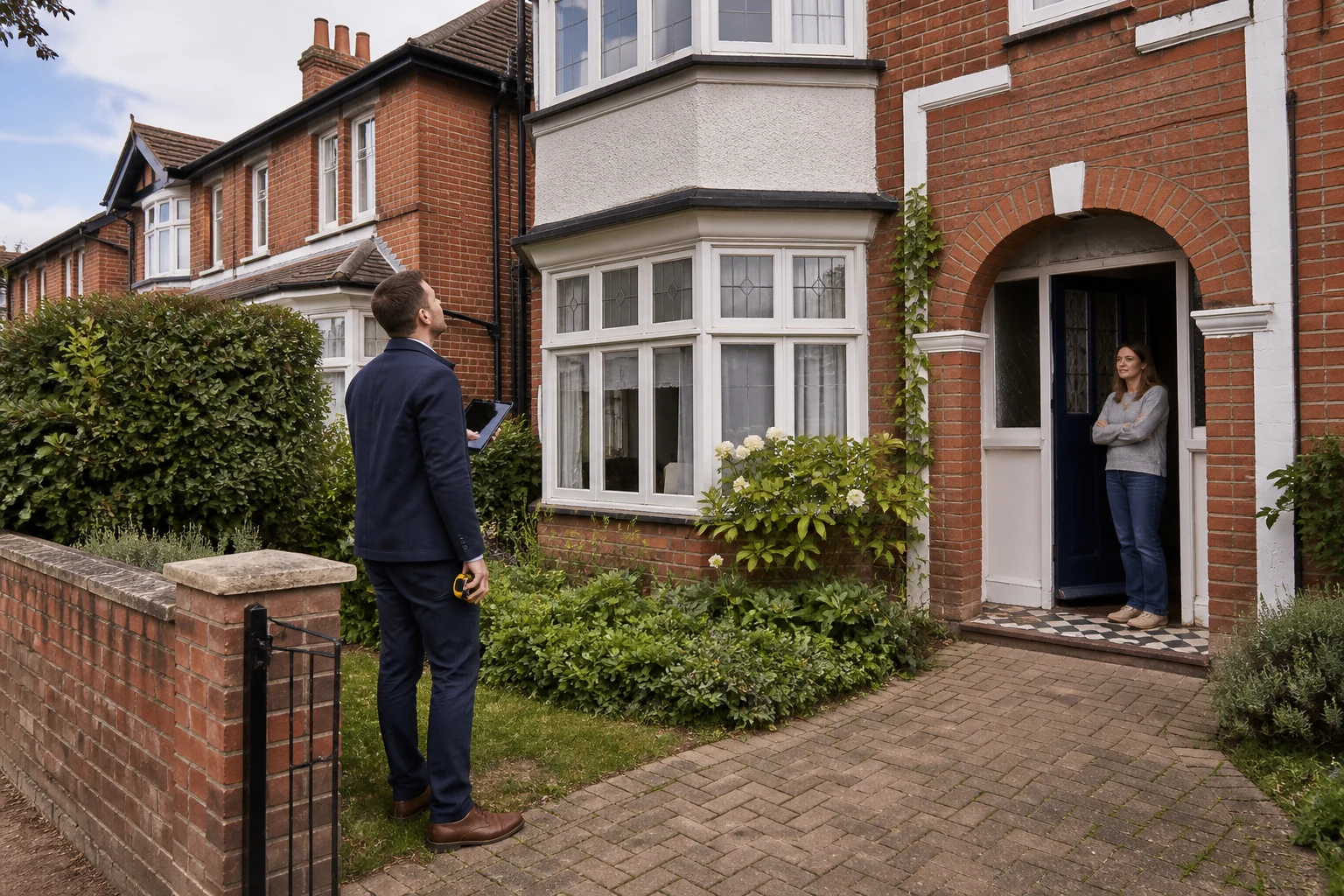
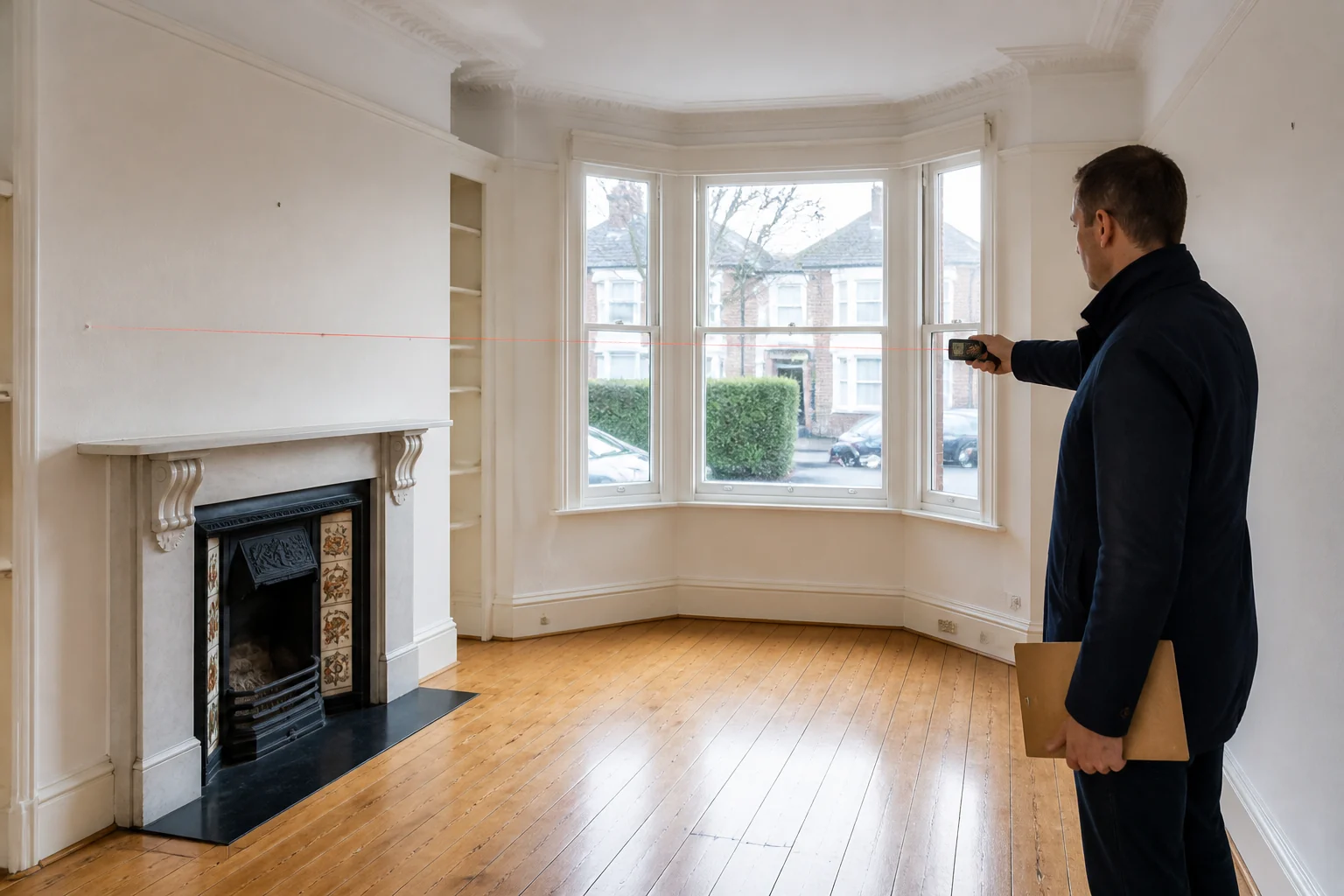
If price leads
Begin with the open-market route.
Full marketing and viewings give the market the opportunity to set the price. The trade-off is a longer, less predictable timetable.
Compare the two routesMake the first decision before the first viewing.
A practical dossier for choosing the right route, preparing the property and judging what happens before a sale can complete.
Both kinds of sale are explained plainly. Dukes currently provides the direct investor introduction; it is one route, not the right answer for every seller.
Choose the outcome that leads. This does not send or store anything; it simply shows which part of the guide deserves your attention first.
If price leads
Full marketing and viewings give the market the opportunity to set the price. The trade-off is a longer, less predictable timetable.
Compare the two routesIf timing leads
It removes public marketing and viewings, but an investor will normally price that speed and simplicity below potential open-market value.
Understand the direct routeIf certainty leads
A direct route can reduce some uncertainty, but no route guarantees a buyer, an acceptable offer or a completion date. Funding and readiness still matter.
See how to judge an offerThe right route follows from the priority you set above. Neither is universally better, and neither removes the need for a ready buyer and sound legal work.
Read through your chosen lens:
Designed to pursue the best price the market will pay.
Designed to prioritise speed and simplicity over the final figure.
Dukes currently provides the direct investor introduction. Dukes introduces the property and is not the buyer.
Price, timing and certainty pull against each other in almost every sale. Deciding which one leads before you start is the single choice that makes every later decision easier.
A conventional open-market sale advertises the property, invites viewings and looks for the best price the market will pay, over whatever time that takes. A direct investor introduction approaches investors who buy directly, prioritising speed and simplicity over the final figure.
Before anyone values anything, know what the sale has to clear. Three figures decide whether a sale makes sense at a given price.
The legal work runs fastest when the paperwork is ready before it is asked for. Start with what you own and on what terms.
Buyers' solicitors ask for the same documents on almost every sale. Collecting them now, rather than mid-transaction, keeps the momentum you will want later.
The seller is responsible for the legal contract that transfers ownership, and your conveyancer drafts it, answers the buyer's enquiries and negotiates its details. Choosing early means the contract pack can be ready the day you accept an offer.
Whichever route you take, someone is going to look carefully at the property. First impressions are cheap to improve and expensive to ignore.
The headline figure is one part of an offer. The buyer behind it decides whether that figure ever becomes money.
Accepting an offer starts the conveyancing, not the celebration. Between acceptance and completion sit the buyer's searches, enquiries and mortgage arrangements — and the exchange of contracts that finally makes the sale binding.
The points most likely to stop a sale or create false confidence, kept together for reference.
Yes. A valid Energy Performance Certificate is required before marketing, lasts ten years and must be produced by an accredited assessor.
No. In England and Wales, either side can still withdraw until contracts are exchanged.
No. Dukes introduces the property to investors who buy directly; Dukes is not the buyer, and a buyer or acceptable offer cannot be promised.
Choose a solicitor or licensed conveyancer early. They can open the file and prepare the contract pack before an offer arrives.
Why Dukes
Reviewers repeatedly describe an approachable, easy-to-reach service; clear explanation and prompt replies; and dependable, hands-on property handling.
Reviewers repeatedly describe Amrit as approachable and easy to reach.Several reviewers mention clear explanation and prompt replies.Maintenance handled quickly is a recurring comment.Reviewers describe dependable, hands-on property management.
The service was simple clear, concise and provided me with all relevant information. Amrit showed a fantastic understanding of my situation was patient and provided the highest of customer service.
Dukes Estate Agency provided an excellent service throughout the whole process. The team was professional, friendly, and always available to help with any questions.
Amrit's knowledge and understanding of all things proper is amazing - would highly recommend.
Sharron F. Read on Google (opens in a new tab)
Dukes currently provides the direct investor introduction. Dukes introduces the property and is not the buyer.
Tell Dukes about the property and what matters most to you, and receive a personal view of the likely route and next steps. It is an estate-agency assessment, not a formal valuation, and nothing is sent until you choose to send it.
Before you rely on this
This guide is general information, not legal, financial, surveying or tax advice. What applies to you depends on the property and your circumstances — confirm any decision with your conveyancer, lender, a qualified valuer or a tax adviser before acting on it. An offer is not legally binding in England and Wales until contracts are exchanged.
Information reviewed 8 August 2026.
Every record here links to the document or register it came from. Nothing appears until it resolves to something a reader can open and check.
 Property portal
PrimeLocation
The Dukes branch profile on the portal, independently verified on 31 July 2026.
View Dukes on PrimeLocation
(opens in a new tab)
Property portal
PrimeLocation
The Dukes branch profile on the portal, independently verified on 31 July 2026.
View Dukes on PrimeLocation
(opens in a new tab)
Dukes Receptionist
Answer a short set of questions, review the summary, then choose how to contact Dukes. Nothing is sent automatically.
Your answers stay on this page until you choose a contact route. Closing or reloading clears them.
A summary about your property, ready to send to Dukes.
This route asks for:
A summary of what you are looking for, ready to send to Dukes.
This route asks for:
A summary of your buying question, ready to send to Dukes.
This route asks for:
A summary for a direct investor introduction, ready to send to Dukes.
This route asks for:
A repair report with the details the property team needs, ready to send to Dukes.
If anyone is in immediate danger, call 999. If you smell gas, leave the property and call the National Gas Emergency Service on 0800 111 999.
This route asks for:
The homepage film is supplied concept footage. Its location, authorship and licence are unconfirmed, it is not represented as Dukes property or Dukes-shot material, and it is not cleared for public release.
© 2026 DUKES ESTATE AGENCY LTD. Company number 14082878.